Diabetic Neuropathy and the Feet

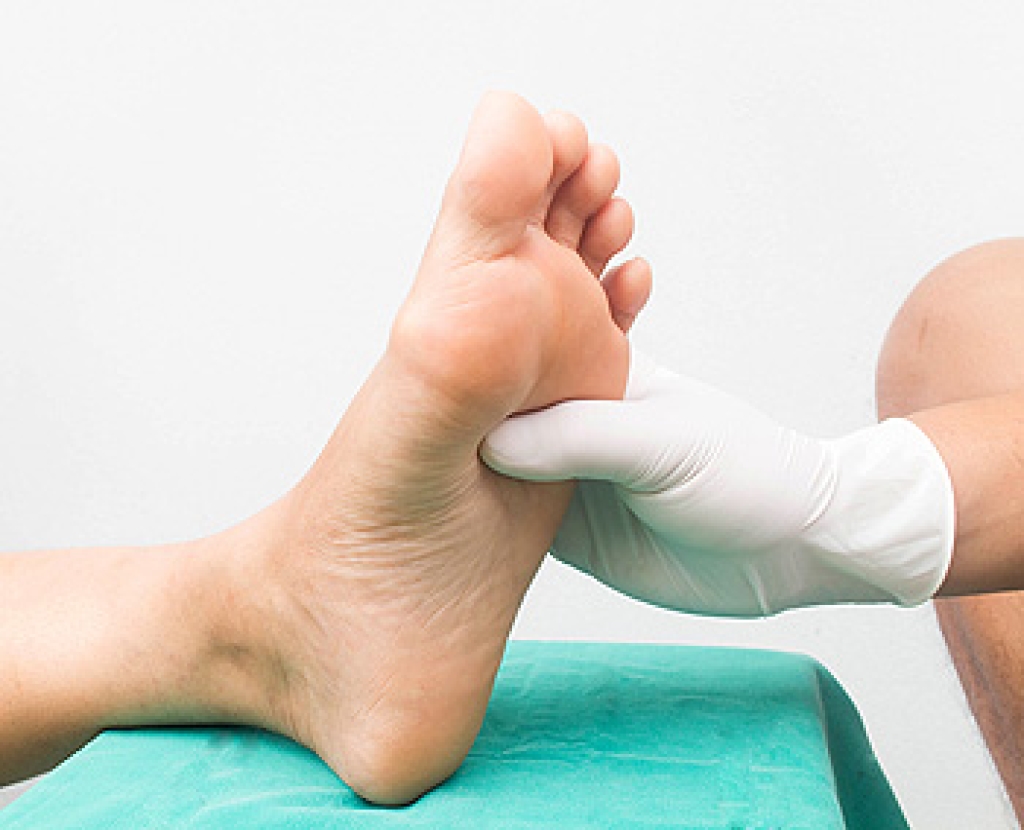
Diabetic neuropathy is nerve damage that frequently affects the feet and lower leg. It results from high blood sugar levels, causing numbness, tingling, or burning sensations in the feet, along with muscle weakness that can impact walking. Reduced sensation also makes it difficult to feel injuries, leading to unnoticed cuts or sores that heal slowly. Left untreated, these injuries may worsen, heightening the risk of infections and ulcers. For those with diabetic neuropathy, routine foot care is essential to prevent complications. A podiatrist can assist by evaluating the feet, monitoring any signs of damage, and providing guidance on footwear and skin care. This foot doctor can also suggest lifestyle modifications to support foot health and help manage the condition effectively. Regular checkups with a podiatrist help to reduce the risk of severe foot problems that are associated with diabetic neuropathy. If you have symptoms of neuropathy in the feet, it is suggested that you schedule an appointment with a podiatrist for an exam and regular treatment.

Neuropathy

Neuropathy can be a potentially serious condition, especially if it is left undiagnosed. If you have any concerns that you may be experiencing nerve loss in your feet, consult with Cecilia Capuano-King, DPM from New York. Our doctor will assess your condition and provide you with quality foot and ankle treatment for neuropathy.

What Is Neuropathy?

Neuropathy is a condition that leads to damage to the nerves in the body. Peripheral neuropathy, or neuropathy that affects your peripheral nervous system, usually occurs in the feet. Neuropathy can be triggered by a number of different causes. Such causes include diabetes, infections, cancers, disorders, and toxic substances.

Symptoms of Neuropathy Include:

  • Numbness
  • Sensation loss
  • Prickling and tingling sensations
  • Throbbing, freezing, burning pains
  • Muscle weakness

Those with diabetes are at serious risk due to being unable to feel an ulcer on their feet. Diabetics usually also suffer from poor blood circulation. This can lead to the wound not healing, infections occurring, and the limb may have to be amputated.

Treatment

To treat neuropathy in the foot, podiatrists will first diagnose the cause of the neuropathy. Figuring out the underlying cause of the neuropathy will allow the podiatrist to prescribe the best treatment, whether it be caused by diabetes, toxic substance exposure, infection, etc. If the nerve has not died, then it’s possible that sensation may be able to return to the foot.

Pain medication may be issued for pain. Electrical nerve stimulation can be used to stimulate nerves. If the neuropathy is caused from pressure on the nerves, then surgery may be necessary.

If you have any questions, please feel free to contact our office located in Smithtown, NY . We offer the newest diagnostic and treatment technologies for all your foot care needs.
Read more about Neuropathy

Understanding Metatarsal Stress Fractures

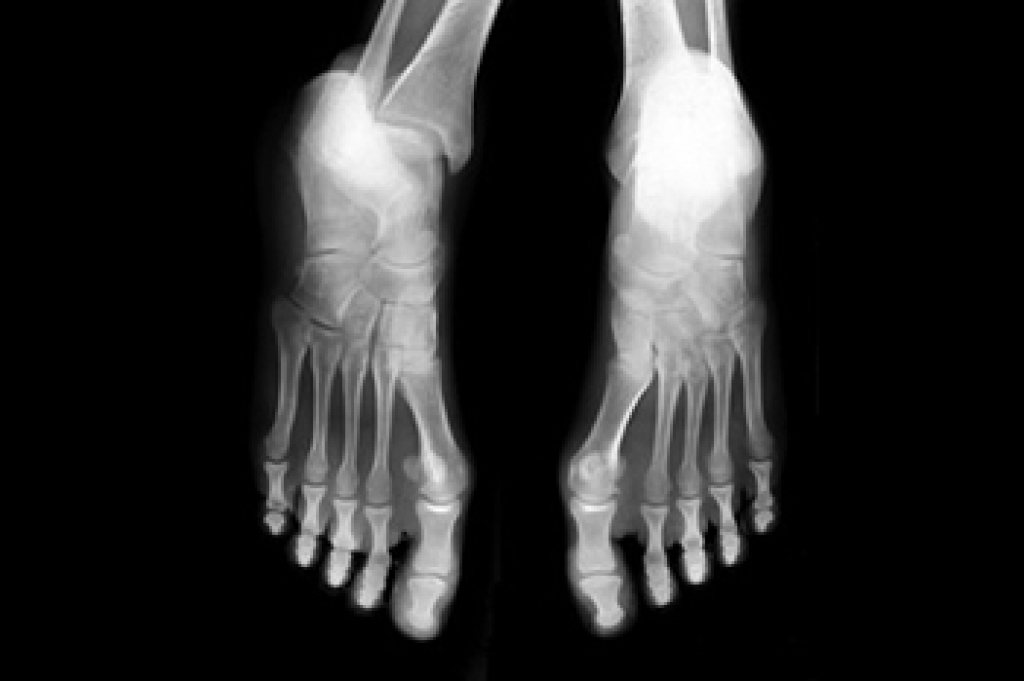
A metatarsal stress fracture is a small crack in one of the five long bones in the foot, typically caused by repetitive pressure or overuse. Commonly seen in athletes, especially runners and dancers, these fractures can arise from sudden increases in activity, wearing improper footwear, or inadequate conditioning. Symptoms often include localized pain that worsens with activity and improves with rest, swelling, and tenderness in the midfoot area. Individuals may also experience difficulty walking or bearing weight on the affected foot. Recognizing these signs early is essential for effective treatment and recovery. If left untreated, a stress fracture can lead to more severe injuries and prolonged downtime. If you have developed a foot stress fracture, it is suggested that you consult a podiatrist who can effectively treat this condition.

Stress fractures occur when there is a tiny crack within a bone. To learn more, contact Cecilia Capuano-King, DPM from New York. Our doctor can provide the care you need to keep you pain free and on your feet.

How Are They Caused?

Stress fractures are the result of repetitive force being placed on the bone. Since the lower leg and feet often carry most of the body’s weight, stress fractures are likely to occur in these areas. If you rush into a new exercise, you are more likely to develop a stress fracture since you are starting too much, too soon.  Pain resulting from stress fractures may go unnoticed at first, however it may start to worsen over time.

Risk Factors

  • Gender – They are more commonly found in women compared to men.
  • Foot Problems – People with unusual arches in their feet are more likely to develop stress fractures.
  • Certain Sports – Dancers, gymnasts, tennis players, runners, and basketball players are more likely to develop stress fractures.
  • Lack of Nutrients – A lack of vitamin D and calcium may weaken the bones and make you more prone to stress fractures
  • Weak Bones – Osteoporosis can weaken the bones therefore resulting in stress fractures

Stress fractures do not always heal properly, so it is important that you seek help from a podiatrist if you suspect you may have one. Ignoring your stress fracture may cause it to worsen, and you may develop chronic pain as well as additional fractures.

If you have any questions please contact our office located in Smithtown, NY . We offer the newest diagnostic and treatment technologies for all your foot and ankle needs.

Read more about Stress Fractures of the Foot and Ankle

Achilles Tendon Ruptures in Basketball

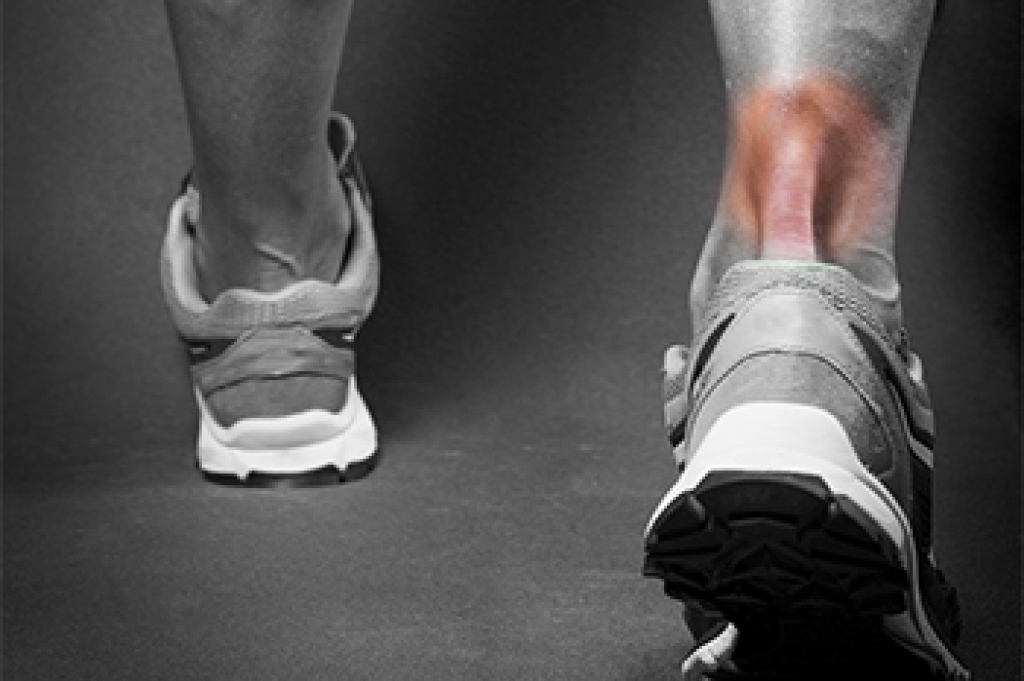
Achilles tendon ruptures are serious injuries that can occur while playing basketball, often resulting from sudden jumps, rapid direction changes, or intense physical exertion. This injury typically causes a sharp pain in the back of the ankle, often described as feeling like a kick or a pop. Risk factors include inadequate warm-up, previous injuries, and lack of conditioning. Players may struggle with mobility and experience swelling, making it difficult to walk. Treatment options vary based on severity, ranging from rest and rehabilitation to surgical intervention for complete tears. Recovery can take several months to regain strength and flexibility. Awareness of this injury and proper preventive measures, such as strengthening exercises and appropriate footwear, can help players minimize their risk while enjoying the game. This type of injury can temporarily cause players to stop playing basketball. If you have an Achilles tendon injury, it is suggested that you are under the care of a podiatrist who can offer you appropriate treatment options.

Achilles tendon injuries need immediate attention to avoid future complications. If you have any concerns, contact Cecilia Capuano-King, DPM of New York. Our doctor can provide the care you need to keep you pain-free and on your feet.

What Is the Achilles Tendon?

The Achilles tendon is a tendon that connects the lower leg muscles and calf to the heel of the foot. It is the strongest tendon in the human body and is essential for making movement possible. Because this tendon is such an integral part of the body, any injuries to it can create immense difficulties and should immediately be presented to a doctor.

What Are the Symptoms of an Achilles Tendon Injury?

There are various types of injuries that can affect the Achilles tendon. The two most common injuries are Achilles tendinitis and ruptures of the tendon.

Achilles Tendinitis Symptoms

  • Inflammation
  • Dull to severe pain
  • Increased blood flow to the tendon
  • Thickening of the tendon

Rupture Symptoms

  • Extreme pain and swelling in the foot
  • Total immobility

Treatment and Prevention

Achilles tendon injuries are diagnosed by a thorough physical evaluation, which can include an MRI. Treatment involves rest, physical therapy, and in some cases, surgery. However, various preventative measures can be taken to avoid these injuries, such as:

  • Thorough stretching of the tendon before and after exercise
  • Strengthening exercises like calf raises, squats, leg curls, leg extensions, leg raises, lunges, and leg presses

If you have any questions please feel free to contact our office located in Smithtown, NY . We offer the newest diagnostic tools and technology to treat your foot and ankle needs.

Read more about What are Achilles Tendon Injuries

The Synergy of Feet in Skiing

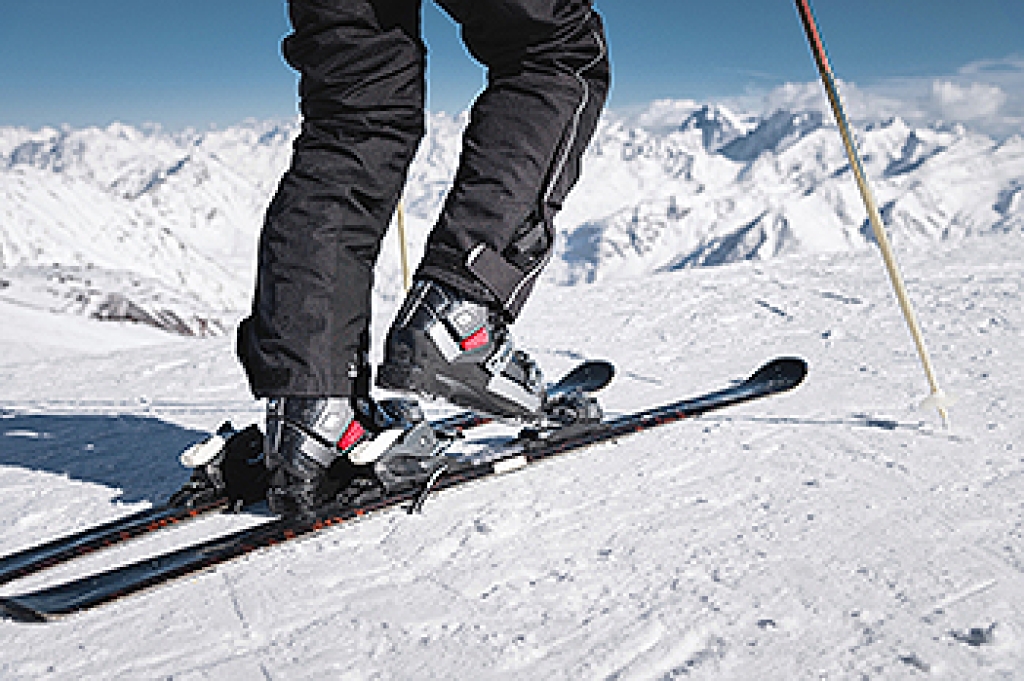
Skiing relies heavily on the coordinated function of the feet for balance, control, and power. The toes grip and engage the ski boots, while the arches provide stability and absorb shock. When turning or shifting weight, the feet guide the skis, ensuring smooth transitions and precise movements. Proper foot alignment is essential for effective weight distribution, improving performance and reducing fatigue. Incorrect biomechanics, such as poor alignment or uneven weight distribution, can lead to foot problems or injuries. Conditions like overpronation or supination may strain muscles and ligaments, causing pain or instability. These imbalances can result in long-term damage if not addressed. If you have experienced a foot injury while skiing, it is suggested that you visit a podiatrist. They can treat various foot conditions and offer guidance on improving foot technique, ensuring a safer and more effective skiing experience.

If you have any concerns about your feet, contact Cecilia Capuano-King, DPM from New York. Our doctor can provide the care you need to keep you pain-free and on your feet.

Biomechanics in Podiatry

Podiatric biomechanics is a particular sector of specialty podiatry with licensed practitioners who are trained to diagnose and treat conditions affecting the foot, ankle and lower leg. Biomechanics deals with the forces that act against the body, causing an interference with the biological structures. It focuses on the movement of the ankle, the foot and the forces that interact with them.

A History of Biomechanics

  • Biomechanics dates back to the BC era in Egypt where evidence of professional foot care has been recorded.
  • In 1974, biomechanics gained a higher profile from the studies of Merton Root, who claimed that by changing or controlling the forces between the ankle and the foot, corrections or conditions could be implemented to gain strength and coordination in the area.

Modern technological improvements are based on past theories and therapeutic processes that provide a better understanding of podiatric concepts for biomechanics. Computers can provide accurate information about the forces and patterns of the feet and lower legs.

Understanding biomechanics of the feet can help improve and eliminate pain, stopping further stress to the foot.

If you have any questions please feel free to contact our office located in Smithtown, NY . We offer the newest diagnostic and treatment technologies for all your foot and ankle needs.

Read more about The Importance of Biomechanics in Podiatry

Foot and Ankle Injuries in Basketball

Basketball is an exhilarating sport that can lead to various foot and ankle injuries due to its fast-paced nature. One common injury is a calf muscle strain that occurs from sudden movements or jumps, resulting in pain and stiffness in the lower leg. Plantar fasciitis is another frequent issue that results in inflammation of the tissue along the bottom of the foot, often causing sharp pain, especially the first steps after resting. Ankle sprains are prevalent as well, typically resulting from twisting or landing awkwardly, leading to swelling and bruising. Additionally, achilles tendonitis, an inflammation of the tendon connecting the calf to the heel, can develop over time due to repetitive stress. If you enjoy playing basketball and have endured a foot or ankle injury, it is suggested that you contact a podiatrist who can effectively treat these types of injuries.

Sports related foot and ankle injuries require proper treatment before players can go back to their regular routines. For more information, contact Cecilia Capuano-King, DPM of New York. Our doctor can provide the care you need to keep you pain-free and on your feet.

Sports Related Foot and Ankle Injuries

Foot and ankle injuries are a common occurrence when it comes to athletes of any sport. While many athletes dismiss the initial aches and pains, the truth is that ignoring potential foot and ankle injuries can lead to serious problems. As athletes continue to place pressure and strain the area further, a mild injury can turn into something as serious as a rupture and may lead to a permanent disability. There are many factors that contribute to sports related foot and ankle injuries, which include failure to warm up properly, not providing support or wearing bad footwear. Common injuries and conditions athletes face, including:

  • Plantar Fasciitis
  • Achilles Tendinitis
  • Achilles Tendon Rupture
  • Ankle Sprains

Sports related injuries are commonly treated using the RICE method. This includes rest, applying ice to the injured area, compression and elevating the ankle. More serious sprains and injuries may require surgery, which could include arthroscopic and reconstructive surgery. Rehabilitation and therapy may also be required in order to get any recovering athlete to become fully functional again. Any unusual aches and pains an athlete sustains must be evaluated by a licensed, reputable medical professional.

If you have any questions please contact our office located in Smithtown, NY . We offer the newest diagnostic and treatment technologies for all your foot and ankle needs.

Read more about Sports Related Foot And Ankle Injuries

Connect With Us

Advanced Podiatric Procedures & Services in the Suffolk County, NY: Smithtown, Brentwood, Central Islip, Hauppauge, Lake Grove, Kings Park, Сommack, Ronkonkoma, Holbrook, Holtsville, Farmingville, Selden NY areas